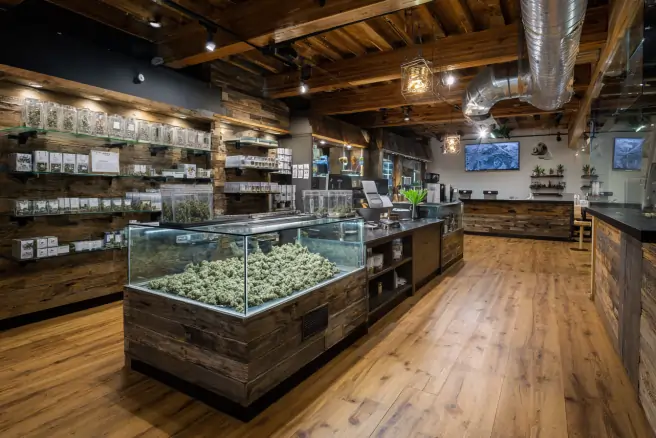
Ensuring worker safety in the cannabis industry is a crucial aspect of maintaining a productive, compliant, and ethical workplace. The unique nature of cannabis operations—ranging from cultivation and processing to retail—introduces specific risks that demand comprehensive safety measures. This section explores the essential equipment and effective methods required to prioritize worker safety in this rapidly growing industry.
Importance of Worker Safety in Cannabis Operations
Cannabis workplaces are inherently diverse, often including agricultural environments, extraction processes involving hazardous chemicals, manufacturing settings, and retail spaces. Each phase introduces potential risks such as:
– Chemical exposure (e.g., solvents used in extraction)
– Physical injuries (e.g., repetitive strain during packaging or trimming)
– Biological hazards (e.g., mold or allergens present in cultivation settings)
– Fire risks (e.g., flammable materials in processing facilities)
By implementing proper safety protocols and leveraging essential safety equipment, businesses can reduce the likelihood of workplace injuries and ensure compliance with occupational health standards.
Essential Equipment for Cannabis Worker Safety
| Equipment Type | Purpose | Examples |
| Personal Protective Equipment (PPE) | Protect workers from physical, chemical, or biological hazards | Gloves, face shields, respirators |
| Ventilation Systems | Reduce exposure to airborne contaminants | HEPA filtration systems |
| Fire Suppression Tools | Minimize fire risks in high-combustion areas | Sprinkler systems, fire extinguishers |
| Ergonomic Furniture/Tools | Prevent repetitive strain injuries | Adjustable chairs/workstations |
| Safety Signage and Labels | Provide clear warnings about hazardous materials | Chemical hazard labels |
These tools not only protect employees but also improve operational efficiency by creating a safer working environment.
Effective Methods for Ensuring Worker Safety
- Comprehensive Training Programs: Ensure all workers receive training on proper handling of chemicals, machinery operation, and emergency protocols specific to their roles within the cannabis operation.
- Regular Equipment Inspections: Schedule routine checks on tools such as ventilation systems or PPE to ensure they remain functional and effective.
- Adherence to Occupational Standards: Follow regulations from agencies like OSHA (Occupational Safety and Health Administration) or state-specific cannabis boards to maintain compliance.
- Incident Reporting System: Develop an easy-to-use internal system where employees can report accidents or near-misses without fear of reprisal.
- Routine Risk Assessments: Conduct periodic evaluations of workplace hazards using risk analysis techniques like Job Hazard Analysis (JHA).
Benefits of Prioritizing Worker Safety
Investing in worker safety has tangible benefits for both employers and employees:
– Reduced injury rates lead to fewer worker compensation claims. – A safer work environment improves employee morale and productivity. – Compliance with health standards avoids legal penalties and enhances company reputation.
By integrating these practices into daily operations, cannabis businesses can foster a culture where employee well-being is prioritized—a cornerstone of sustainable growth within this dynamic industry.
Key Safety Requirements for Workers at Weed Dispensary Dumbo
The cannabis industry is rapidly expanding, bringing with it unique challenges related to worker safety. From cultivation and processing to retail operations, employees face various risks that employers must address through robust safety protocols. Below is a closer look at key safety requirements for marijuana operations and how employers can ensure the well-being of their workforce.
Key Safety Concerns in a Marijuana Dispensary Dumbo Location
- Workers handling pesticides, fertilizers, and cleaning agents are at risk of chemical exposure, which can result in respiratory issues or skin irritation.
- Adequate ventilation systems and personal protective equipment (PPE) are critical in minimizing this risk.
- Indoor cultivation facilities often have high levels of humidity and carbon dioxide used for plant growth, which can create breathing difficulties without proper air circulation.
- Employers should invest in advanced HVAC systems with filtration capabilities to maintain healthy air quality.
- Repetitive tasks like trimming cannabis plants or lifting heavy bags of soil may lead to musculoskeletal injuries over time.
- Ergonomic tools and regular worker training on lifting techniques can reduce incidents.
- Solvent-based extraction processes used for cannabis concentrates involve flammable substances such as butane or ethanol.
- Facilities must adhere to fire safety regulations by installing explosion-proof equipment and having fire suppression systems on-site.
- Employees exposed to mold spores or allergens during plant handling may develop health complications.
- Providing gloves, masks, and protective clothing can safeguard workers from these risks.
Safety Requirements for Essential Workers at Recreational Dispensary Dumbo, Brooklyn
1. Training Programs
- Educate employees on workplace hazards specific to marijuana operations.
- Provide hands-on demonstrations for safe equipment handling.
- Regularly update training based on new regulations or technological advancements.
2. Personal Protective Equipment (PPE)
Ensure workers have access to appropriate PPE tailored to their role: – Gloves – Respiratory masks – Safety goggles – Non-slip footwear
3. Compliance with Regulations
Stay informed about federal, state, and local occupational safety laws governing the cannabis industry: | Regulatory Aspect | Example Guidelines | |—————————|————————————| | OSHA Standards | Proper hazard communication | | Fire Codes | Installation of fire suppression | | Environmental Protections | Safe disposal of chemicals |
4. Health Monitoring Programs
Set up regular health check-ups or screenings for employees exposed to potential airborne contaminants or chemicals.
5. Emergency Response Frameworks
Develop an emergency response plan that includes: – Evacuation procedures – First-aid stations equipped with necessary supplies – Contact information for local emergency services
Benefits of Prioritizing Worker Safety
- Reduced absenteeism due to workplace injuries
- Higher employee retention rates
- Enhanced reputation as an employer committed to safety standards
Employers who proactively address these key requirements position themselves as leaders in a thriving yet highly regulated industry while safeguarding both their workforce and operational integrity.
Marijuana Operations and Key Worker Safety Requirements
Worker safety is a crucial focus at Dumbodispensary.net in marijuana operations, as the cannabis industry involves unique risks and challenges that require specific measures to mitigate hazards. Adhering to safety requirements not only ensures compliance with regulations but also fosters a safe work environment that supports employee well-being and productivity. Below is a detailed guide to key safety requirements, with actionable strategies for implementation.
Key Worker Safety Requirements in Marijuana Operations
- Personal Protective Equipment (PPE):
Employees must have access to appropriate PPE based on their roles. Common PPE includes: - Gloves: Protect hands from exposure to chemicals, fertilizers, or plant residues that may cause irritation.
- Respirators or Masks: Essential for employees exposed to airborne contaminants like dust, mold spores, or pesticide vapors.
- Eye Protection: Goggles or glasses are critical for tasks involving chemical handling or trimming operations where particles could enter the eyes.
- Air Quality Control:
Proper ventilation systems should be installed in facilities where cultivation and extraction occur. This ensures: - Reduction of harmful airborne contaminants such as mold spores and processing fumes.
- Compliance with Occupational Safety and Health Administration (OSHA) standards regarding indoor air quality (IAQ).
- Chemical Handling Procedures:
Cannabis production often involves handling pesticides, solvents, and fertilizers that may pose health risks if not managed properly. Ensure: - Clear labeling of all chemical containers with hazard information.
- Training programs on safe storage, usage, and disposal of hazardous materials.
| Hazardous Material | Potential Risk | Recommended Action |
| Pesticides | Skin/respiratory irritation | Use gloves & respirators; proper ventilation |
| Solvents | Explosions/chemical burns | Use flame-proof equipment & PPE |
| Fertilizers | Corrosive properties | Store in sealed containers |
- Ergonomic Workstations:
Many tasks in cannabis operations involve repetitive motions like trimming or prolonged standing during cultivation processes. Employers should focus on ergonomics by: - Providing adjustable chairs or stools for workers performing seated tasks like trimming plants.
- Rotating employees between tasks to minimize repetitive strain injuries (e.g., wrist pain from long hours of pruning).
- Fire Safety Protocols:
Cannabis extraction processes often utilize flammable substances such as butane or ethanol. To mitigate fire risks: - Equip facilities with fire extinguishers appropriate for chemical fires.
- Establish strict no-smoking policies in areas where flammable materials are handled.
Training and Education Programs
Comprehensive training programs are essential for educating workers about potential hazards in the workplace while teaching them how to protect themselves effectively.
- Onboarding Training: Introduce new hires to facility-specific protocols covering topics such as proper PPE use, emergency response procedures, and adherence to OSHA guidelines.
- Ongoing Education: Conduct periodic refresher courses addressing updated safety regulations or emerging hazards within the industry.
- Safety Drills: Simulate emergency scenarios like chemical spills or fires so employees can practice proper responses under controlled conditions.
Monitoring Compliance through Inspections
Routine inspections ensure workers consistently follow established protocols while identifying areas needing improvement. – Schedule regular walkthroughs by supervisors trained in occupational health standards. – Implement digital tools to track inspection outcomes efficiently. – Address violations immediately through corrective actions (e.g., repairing broken equipment).
By prioritizing these safety requirements within marijuana operations, employers can safeguard their teams while maintaining high levels of operational efficiency across all processes involved in cannabis cultivation and production environments.
Understanding Cannabis Worker Safety: Tools, Techniques, and Tips
Creating a safe working environment in the cannabis industry is vital for the well-being of employees and the sustainability of operations. Given the unique challenges this rapidly growing sector presents, from handling chemicals to operating specialized machinery, it is crucial to implement effective tools, techniques, and tips to mitigate risks. Below is an overview of essential considerations for ensuring worker safety in cannabis facilities.
Tools for Ensuring Worker Safety
- Gloves: Protect against chemical exposure during plant handling or cleaning processes.
- Respirators: Reduce inhalation of airborne contaminants such as dust, mold spores, or fumes from fertilizers and pesticides.
- Eye Protection: Essential for protecting eyes from UV rays during horticultural lighting or when using hazardous substances.
- Ventilation Systems:
Proper ventilation systems reduce exposure to volatile organic compounds (VOCs) released by solvents used in extraction processes and improve air quality throughout cultivation spaces. - Ergonomic Equipment:
Adjustable workstations, anti-fatigue mats, and properly designed equipment minimize strain on workers during tasks like trimming plants or packaging products.
Techniques to Promote Safety
- Comprehensive Training Programs:
Employees should receive thorough training on safety protocols tailored to their specific roles. Topics may include proper lifting techniques, chemical handling procedures, and emergency response strategies. - Hazard Assessments:
Conduct regular risk assessments to identify potential hazards across different areas such as cultivation rooms, manufacturing facilities, or retail spaces. - Standard Operating Procedures (SOPs):
Develop clear SOPs for high-risk activities including pesticide application, extraction processes using flammable solvents like butane or ethanol, and packaging operations. - Incident Reporting Systems:
Encourage employees to report near-misses or accidents promptly so management can address root causes effectively.
Tips for Sustaining a Culture of Safety
- Foster open communication between employees and management regarding safety concerns.
- Regularly update training programs based on new regulations or technological advancements.
- Schedule routine inspections to ensure compliance with Occupational Safety and Health Administration (OSHA) guidelines.
- Recognize and reward safe work practices among staff members.
Sample Workplace Safety Checklist
| Area of Concern | Item | Frequency | Notes |
| PPE Availability | Inventory PPE supplies | Weekly | Check stock levels |
| Ventilation System | Inspect air filters | Monthly | Replace if necessary |
| Emergency Preparedness | Fire extinguisher inspection | Quarterly | Ensure accessibility |
By integrating these tools, techniques, and tips into day-to-day operations in cannabis facilities, businesses can significantly lower risks while empowering employees with confidence in their workplace environment.
Understanding Cannabis Worker Safety: Tools, Techniques, and Tips
Worker safety is a paramount concern in the cannabis industry. As the sector continues to expand rapidly, ensuring that employees are protected from potential hazards is essential for maintaining legal compliance, operational efficiency, and employee well-being. This guide outlines the critical tools, techniques, and tips necessary to foster a safe workplace in cannabis cultivation, manufacturing, dispensing, and distribution.
Tools for Ensuring Worker Safety
- Gloves: To handle cannabis plants safely and protect against chemical exposure or allergens.
- Respirators or masks: To shield workers from inhaling airborne particulates such as dust or pesticides.
- Eye protection: Safety goggles to safeguard against chemical splashes or debris during processing tasks.
- Protective clothing: Lab coats or aprons to prevent contamination and skin exposure during extraction or trimming processes.
- Ventilation Systems: Well-designed ventilation systems help reduce plant odors, control humidity levels, and eliminate harmful airborne substances such as mold spores or gases generated by certain solvents.
- First-aid kits placed in accessible locations throughout the facility.
- Fire extinguishers suitable for chemical fires if flammable solvents are used in extraction operations.
- Emergency eyewash stations for quick response to chemical exposure incidents.
Techniques for Creating a Safer Workplace
- Hazard Identification: Conduct regular hazard assessments across all work areas—cultivation rooms, laboratories, warehouses—to identify potential threats such as chemical exposure or ergonomic strain during repetitive tasks like trimming.
- Employee Training: Provide comprehensive safety training tailored to job roles:
- Proper handling of chemicals like fertilizers or extraction solvents.
- Safe operation of machinery used in trimming or packaging.
- Emergency preparedness drills specific to fire evacuations or hazardous spills.
- Standard Operating Procedures (SOPs): Establish clear SOPs for high-risk operations like extraction processes involving volatile solvents (e.g., butane). Include detailed protocols for storage and handling.
- Engineering Controls: Where possible, automate hazardous tasks using technology solutions such as automated trimmers or conveyor belts to minimize worker interaction with dangerous equipment.
Tips for Maintaining Workplace Safety
To ensure ongoing compliance with safety standards and protect employees effectively: – Schedule routine inspections of equipment like HVAC systems to prevent malfunctions that might compromise air quality.
– Encourage open communication by establishing an anonymous reporting system where workers can share safety concerns without fear of retaliation. – Stay updated on OSHA guidelines specific to agriculture and manufacturing industries; adapt practices accordingly based on regulatory changes.
Table: Common Hazards & Mitigation Strategies
| Hazard | Potential Risks | Mitigation Strategies |
| Chemical Exposure | Skin irritation; respiratory issues | Use PPE; store chemicals securely |
| Repetitive Motion Tasks | Ergonomic injuries | Rotate tasks; provide ergonomic tools |
| Airborne Particulates | Allergic reactions; respiratory distress | Install proper ventilation systems |
| Extraction Process Solvents | Fire hazards; toxic fumes | Follow strict SOPs; use explosion-proof equipment |
Creating a culture of vigilance regarding health and safety can help businesses thrive while ensuring workers feel valued and protected within the cannabis industry ecosystem.
Comprehensive Guide to Cannabis Workplace Safety Standards
Ensuring workplace safety in the cannabis industry is critical to maintaining employee well-being, regulatory compliance, and operational efficiency. This guide provides a detailed overview of workplace safety standards specific to cannabis businesses, addressing common hazards and outlining strategies for fostering a safe work environment.
Common Workplace Hazards in the Cannabis Industry
- Chemical Exposure: Pesticides, solvents (used in extraction), and cleaning agents can pose serious health risks without proper handling.
- Air Quality Issues: Mold spores, pollen, and carbon dioxide buildup from cultivation operations can lead to respiratory problems.
- Ergonomic Strain: Trimming, packaging, and repetitive tasks often lead to musculoskeletal disorders (MSDs).
- Fire Risks: Extraction processes involving volatile chemicals increase the potential for fires or explosions.
- Slip and Trip Hazards: Wet floors or improperly stored equipment can lead to accidents.
Understanding these risks helps shape the development of comprehensive safety standards.
Key Components of Cannabis Workplace Safety Standards
1. Personal Protective Equipment (PPE)
- Gloves: Protect against chemical exposure during cultivation or extraction processes.
- Respirators or Masks: Safeguard workers from poor air quality or inhalation of fine particles.
- Safety Glasses: Prevent eye injuries during trimming, extraction, or cleaning operations.
- Protective Clothing: Reduce skin contact with pesticides or other hazardous materials.
2. Ventilation Systems
Proper ventilation is crucial for maintaining air quality. Facilities should: – Install high-efficiency particulate air (HEPA) filters to reduce mold spores and dust. – Use localized exhaust systems near extraction equipment to prevent chemical vapor buildup.
3. Ergonomic Training
Workers should receive training on proper body mechanics to reduce strain during repetitive tasks like trimming or packaging. Adjustable workstations can also help minimize MSDs.
4. Fire Prevention Protocols
To address fire risks: – Maintain explosion-proof equipment in extraction labs. – Store flammable chemicals securely in ventilated areas away from ignition sources. – Train employees on how to use fire extinguishers and handle emergencies effectively.
5. Hazard Communication Program
OSHA-compliant hazard communication programs are essential for educating workers about dangerous substances they may encounter on-site. This includes: – Labeling all chemical containers clearly. – Providing access to Safety Data Sheets (SDS). – Conducting regular training sessions.
Implementing Regular Inspections and Audits
- Conducting weekly walkthroughs of cultivation areas, extraction labs, and storage facilities.
- Checking PPE inventory levels regularly to ensure availability for all staff members.
- Reviewing ventilation system functionality at least monthly.
Training Programs for Workforce Safety
- Proper handling of hazardous materials such as pesticides or solvents.
- Emergency response procedures tailored to specific incidents like chemical spills or fires.
- The importance of using PPE correctly on a daily basis.
Additionally, refresher courses help employees stay updated on evolving regulations and best practices in the industry.
| Training Focus Area | Frequency | Target Audience |
| Chemical Handling & Safety | Quarterly | Cultivation & Lab Teams |
| Fire Safety & Emergency Response | Biannually | All Employees |
| Ergonomics & Injury Prevention | Annually | Trimming/Packaging Staff |
Benefits of Adopting Comprehensive Safety Standards
- Employee Well-being: Minimizing injuries boosts morale and productivity among staff members.
- Regulatory Compliance: Meeting OSHA standards reduces the risk of fines or legal complications.
- Operational Efficiency: Proactive safety measures decrease downtime caused by accidents or equipment malfunctions.
By prioritizing worker protection through well-defined safety standards, cannabis businesses can create environments where employees thrive while ensuring long-term success within this growing industry.
Modern Approaches to Worker Protection at Dispensary Dumbo
Worker safety in the cannabis industry is a critical concern as the sector continues to grow. From cultivation and production to distribution and retail, ensuring employee well-being requires adopting innovative approaches and leveraging modern resources. Below is an exploration of effective methods that organizations in this field can use to enhance worker protection.
Leveraging Technology for Workplace Safety
Modern technological advancements have paved the way for improved safety measures. Cannabis companies can utilize these tools to identify risks, prevent accidents, and maintain a safer working environment.
- Environmental Monitoring Systems
Advanced systems monitor variables such as air quality, humidity, and temperature in cultivation areas. These systems help prevent mold growth and mitigate worker exposure to harmful substances like pesticides or airborne contaminants. - Wearable Safety Technology
Devices like smartwatches or wearable sensors track workers’ health data (e.g., heart rate, respiratory function) in real time. In hazardous conditions, this technology can notify managers if a worker is at risk of injury or illness. - Automated Processes
Automating repetitive or high-risk tasks, such as trimming plants or handling chemicals, reduces human involvement in potentially unsafe activities while improving overall efficiency.
Training Programs with Modern Techniques
- Virtual Reality (VR) Training
VR simulations offer immersive training experiences that teach workers how to handle hazardous scenarios safely. For example, trainees might learn how to respond during chemical spills or equipment malfunctions without being exposed to actual risks. - Interactive Online Modules
Interactive e-learning platforms provide flexible training options where employees can learn at their own pace while staying updated on the latest safety protocols.
Advanced Personal Protective Equipment (PPE)
Using state-of-the-art PPE is essential for worker protection in cannabis-related roles that involve exposure to chemicals or heavy machinery.
| PPE Type | Purpose |
| Respiratory Protection | Prevents inhalation of pesticides/fumes |
| Safety Gloves | Shields hands from cuts, burns, and spills |
| Eye Protection | Protects against debris during trimming |
| Protective Clothing | Reduces skin contact with contaminants |
Employers should regularly assess the condition of PPE and replace worn-out items promptly while ensuring all staff are trained on proper usage.
Data Analysis for Identifying Risk Patterns
- Analyze incident reports for recurring trends.
- Use predictive analytics software to assess risk factors based on workplace conditions.
- Adjust workflows accordingly based on identified hazards.
This modern approach ensures that prevention becomes an integral part of operations rather than a reactive measure after incidents take place.
Promoting Mental Health Awareness
- Offer access to mental health professionals through Employee Assistance Programs (EAPs).
- Foster open communication about stress management with team members.
- Implement wellness initiatives focusing on relaxation techniques such as mindfulness sessions or yoga classes tailored specifically for employees facing high-pressure environments.
By taking advantage of these contemporary methods and tools, businesses within the cannabis industry can create safer workplaces where employees feel valued while remaining protected against potential hazards inherent in their roles.
- Essential Safety Equipment and Methods for a Cannabis Dispensary in DUMBO, NY
- 8 Essential Tips for First-Time Buyers at a Weed Dispensary Dumbo
- Comprehensive Security Training Guidelines for Cannabis Dispensary Dumbo, NY Employees
- Understanding Workplace Safety and Health Hazards at a Dispensary Dumbo Location
- Beginner’s Guide to Buying Cannabis at a Cannabis Dispensary Dumbo, NY: Tips for First-Time Shoppers
- The 2026 Guide to Verifying Product Quality at Your Local Marijuana Dispensary Dumbo